Vietnamese Coffee with Ice Cream
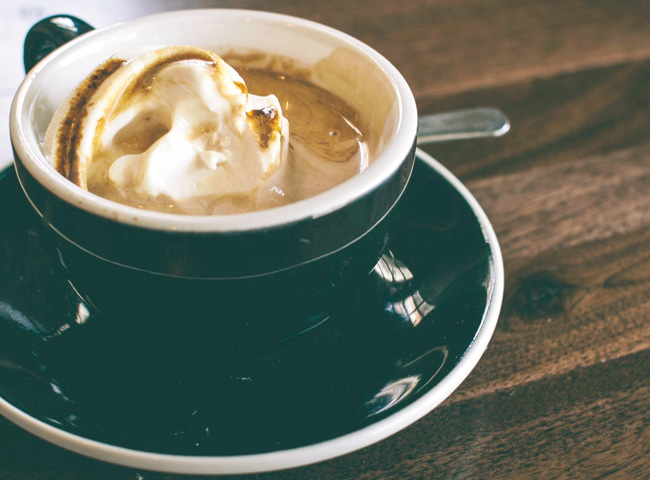
French colonists used sweetened condensed milk to lighten the bitter brew in Vietnam. During the World War II, Europeans transported coffee mixed with chicory root to stretch the coffee flavor.

French colonists used sweetened condensed milk to lighten the bitter brew in Vietnam. During the World War II, Europeans transported coffee mixed with chicory root to stretch the coffee flavor.

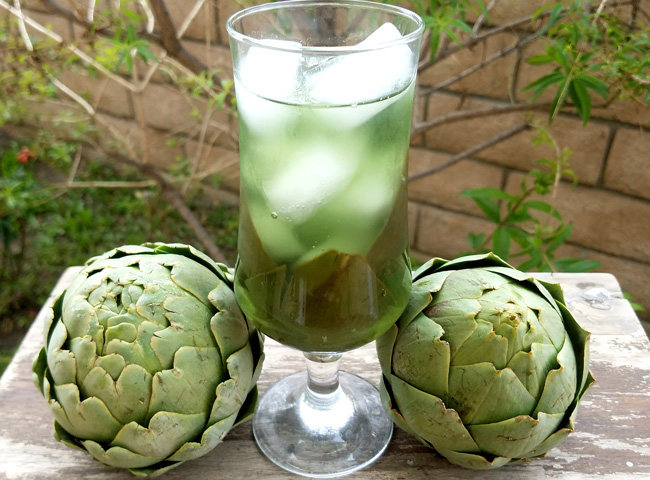
Travelers exploring Hanoi on our food tour always see groups of locals on sidewalks across the city, sitting on little plastic stool, and sipping on their little glass of tea. Hanoian drinks black tea, herbal tea, and artichoke tea.

We sometimes have chance to try shrimp dish on our Hanoi food walking tour, but it’s more of a restaurant and home dishes rather than street dish in Hanoi. People in Hanoi often cook shrimp (or prawn) with salt and black pepper, while Vietnamese along the coast tends to have more of steamed shrimps.

Lemongrass is prized by Southeast Asian for its light and aromatic flavors. It is known to add refreshing herbal aroma to heavy meal dishes, oily dishes, and strong seafood dishes. This ingredient has been a part of traditional Vietnamese cuisine for hundred years, where it’s used along with Indian, Chinese and French influences.

Influenced by Chinese philosophy, Vietnamese cuisine is rooted in five core flavors, each ingredient is tied to one of the five natural elements: metal, wood, water, fire and earth. The perfect dish needs to incorporate these elements to achieve a balanced yin yang. Herbal chicken soup is one of the most balanced dishes and often the go-to medicine in Asian culture.

Water morning glory, which we call “rau muong” in Vietnamese, is a leafy river vegetable that grows in abundance in Vietnam. It’s even considered as the most seen vegetable in the country, especially in the rural areas. The prized part of the vegetable is the tender shoots whereas most of the leaves are discarded.