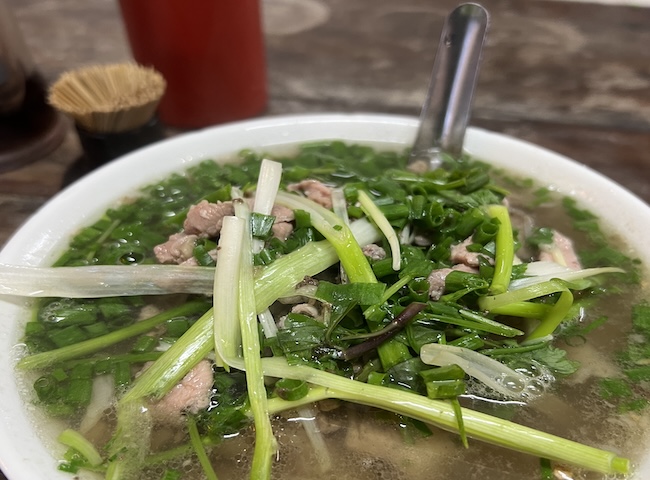
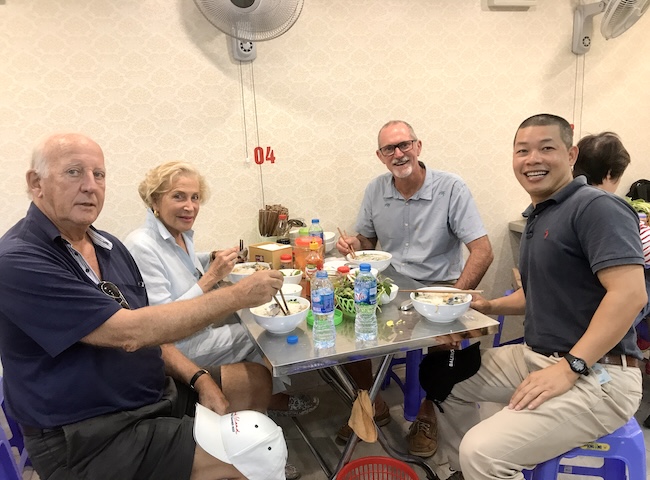
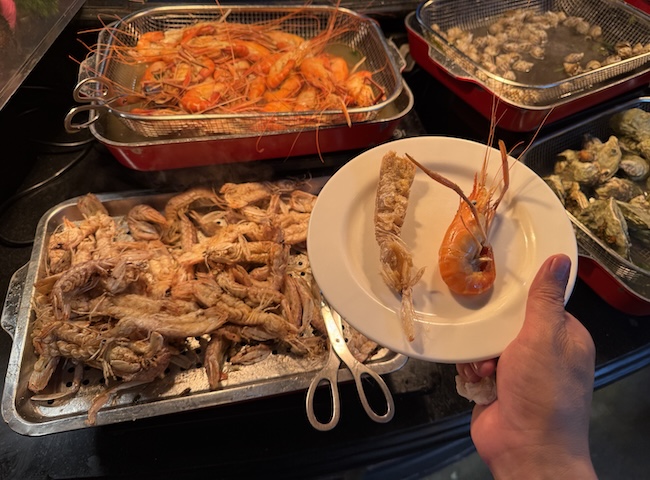
“What are the most common Vietnamese proverbs on eating?” is the question I was sometimes asked on our walking food tours in Hanoi, and so in this blog post, I want to show a broader answer.
In Vietnamese culture, eating is a cornerstone of social etiquette, morality, and gratitude. We all grow up with proverbs related to eating and food, which are life advice, wisdom, and moral lessons in a memorable way. Followings are some of our most common proverbs on eating.
Proverbs About Gratitude and Morality
- “Ăn quả nhớ kẻ trồng cây” (When eating fruit, remember who planted the tree): Cultivate gratitude for those who provided your blessings.
- “Uống nước nhớ nguồn” (When drinking water, remember the source): Similar to above, focus on honoring ancestors and origins.
- “Có thực mới vực được đạo” (It’s no use preaching to a hungry man): You must take care of basic needs (eating) before achieving higher goals.
- “Đời cha ăn mặn, đời con khát nước” (The father eats salty food, the children go thirsty): Bad actions by parents bring consequences for descendants.
- “Trâu buộc ghét trâu ăn” (A tied-up buffalo hates an eating one): Jealousy to occur when your hands are tied while someone else is reaping the benefits.
- “Ăn cây táo, rào cây sung” (Eat from the apple tree, fence the fig tree): A criticism of disloyalty, working for one place but seeking benefits elsewhere.
Proverbs About Lifestyle
- “Ăn theo thuở, ở theo thì” (Eat according to the season, live according to the times): Live within your limits and adapt to circumstances.
- “Ông ăn chả, bà ăn nem” (He eats meatballs, she eats springrolls): Both husband and wife are having affairs.
- “Chán cơm thèm phở” (Bored of rice, craving for noodle soup): A married man gets bored of his wife and look for another girl.
- “Ăn bánh trả tiền” (Eat the cake, pay they money): Pay to have sex with prostitutes.bánh is a metaphor for the prostitute.
- “Ăn vụng không biết chùi mép” (Eating on the sly without cleaning your mouth): Committing adultery but leaving a trace.
- “Ăn cháo đá bát” (Kicking the bowl after eating the porridge): Refers to ungrateful people who turn on their benefactors.
- “Ăn no ngủ kỹ” (Eat well, sleep soundly): Refers to a life of ease, comfort, and freedom from worries.
- “Ăn chắc mặc bền” (Eat well, dress well): A cautious lifestyle that prioritizes quality and sustainability over flashy appearances.
Proverbs About Etiquette and Behavior
- “Học ăn, học nói, học gói, học mở” (Learn how to eat, talk, wrap, and open): Everything, even basic eating, requires learning etiquette and respect.
- “Trời đánh còn tránh miếng ăn” (Even God’s thunderbolts avoid mealtime): Highlights that mealtimes are sacred and should be peaceful; or punishment should be suspended during a meal.
- “Ăn trông nồi, ngồi trông hướng” (Check the pot when eating, watch the direction when sitting): Emphasizes being mindful of others and avoiding social faux pas by checking how much food is left before taking more.
- “Thà ăn mặn nói thật, còn hơn ăn chay nói dối” (Better to eat salty food and tell the truth than to eat like a vegetarian and lie): Stresses that honesty is more important than outward displays of piety.
- “Mạnh vì gạo, bạo vì tiền” (Strong because of rice, bold because of money): Food gives you strength, while money gives you confidence.
- “Ăn lấy thơm lấy tho chứ không lấy no lấy béo” (Eat for the aroma and taste, not for fullness and fattening): Value manners and elegance when eating more than eating too much.
- “Ăn bớt bát, nói bớt nhời” (Eat less, speak less): Advises eating just enough and speaking moderately to avoid waste and verbal abuse.
- “Ăn không biết lo, của kho cũng hết” (Eating without thinking, even a storehouse will be empty): A reminder about saving and not being wasteful in eating.
- “Ăn giỗ ngồi áp vách, có khách ngồi thành bàn” (At a memorial feast, sit against the wall; when there is guest, sit at a table): Teaches humility and modesty, knowing how to give the best seats to others.
Proverbs About Diligence and Scarcity
- “Nhai kĩ no lâu, cày sâu tốt lúa” (Chewing carefully makes one full longer, ploughing deep is good for the rice): Careful work leads to better results.
- “Đói cho sạch, rách cho thơm” (Hungry but clean, torn but fragrant): Maintain your honor and purity, even in difficult or impoverished situations.
- “Ăn bánh vẽ” (Eating a drawing of a cake): Someone is fooling you with a fake promise.
- “Liệu cơm gắp mắm” (Making do with what you have): Advising people to plan their spending and eat according to the limited amount of food available.
- “Khéo ăn thì no, khéo co thì ấm” (Eat wisely and you’ll be full, save wisely and you’ll be warm): Know how to eat sparingly and plan, even a small amount will be enough to satisfy your hunger.
- “Ăn dè hà tiện” (Eat sparingly and be thrifty): Refers to saving as much food as possible.
- “Có cà thì thôi gắp mắm” (If there’s eggplant, don’t bother with fish sauce): Don’t be extravagant when food is scarce.
- “Ăn bát cháo chạy ba quãng đồng” (Run three miles just to eat a bowl of congee): It’s not worth to travel far just to get a bowl of congee.
- “Thịt cá là hương hoa, tương cà là gia bản” (Meat and fish are the mainstays of the family): Soy sause and eggplant are the main daily foods, while meat and fish are luxuries and rare items
For more information, please contact us on WhatsApp or via E-mail.