A thousand year of Chinese domination and almost 80 years of French colonization left Vietnam with remarkable influences on the cuisine, architecture, infrastructure, fashion, language script, and medicine.
While Chinese and French influences on Vietnamese cuisine is undeniable, what makes Vietnamese cuisine unique is its incredible knack for adapting and innovating these influences. In this blog post, we would like to name some of daily Vietnamese cooking methods and iconic dishes adapted from the Chinese and the French.
1. The Chinese Influences
- Stir-frying technique
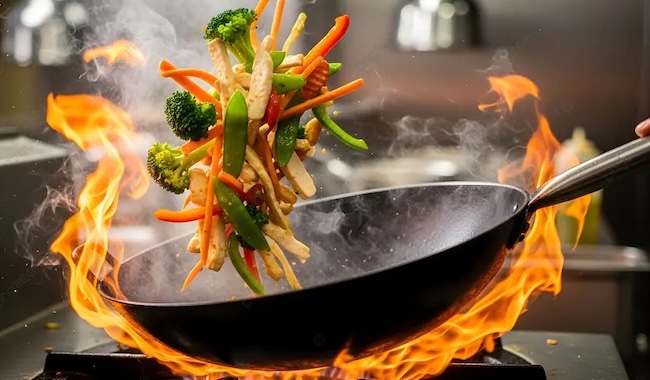
One of the most significant influence the Chinese had on the Vietnamese cuisine is the stir-frying technique, which involves cooking quickly at high heat in a wok. Stir-frying is now a staple cooking method in Vietnamese kitchens, used to prepare various dishes, from vegetables to fishes to meats.
- The use of soy sauce
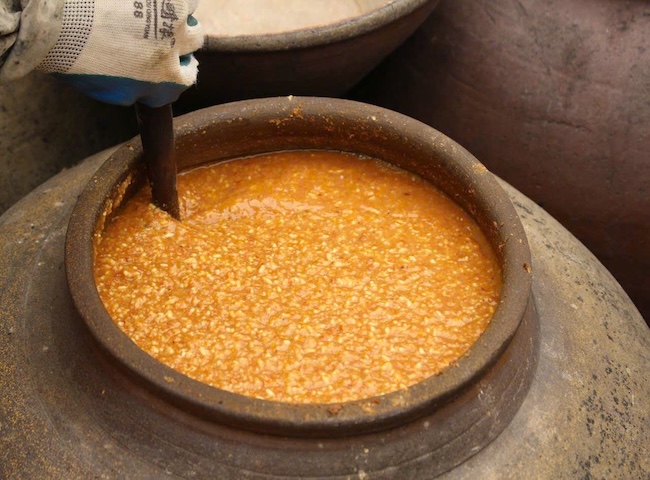
While fish sauce is the hallmark of Vietnamese seasoning, soy sauce is a fundamental ingredient in Chinese cuisine. Together with stir-frying, the Chinese introduced soy sauce, which is now widely used in the Vietnamese cuisine.
- Noodles
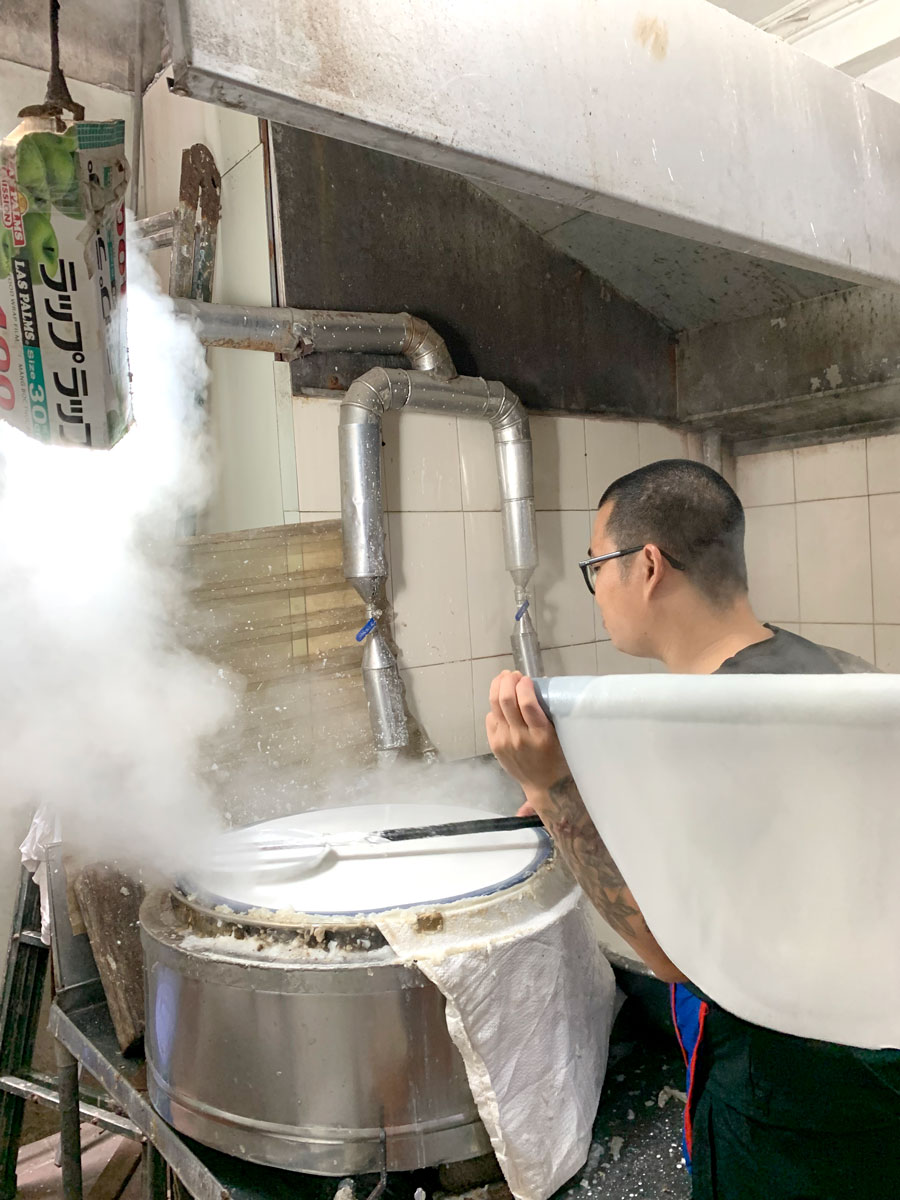
The oldest physical evidence of noodles was from 4,000 years ago in China. The Chinese introduced both wheat-based and rice noodles to Vietnam, and over the years, rice noodles have become an indisputable part of the Vietnamese diet.
2. The French Influences
- Baking technique
The French introduced baking technique, which transformed the Vietnamese cuisine and given rise to the iconic Vietnamese baguette as well as many other wheat based cakes.
- New ingredients
Onions, patatoes, carrots, broccoli, artichoke, asparagus, dairy products (butter, cheese, condensed milk), bread and pastries (baguettes, croissants, caramels) were also brough to Vietnam. All those new ingredients are now big part of the Vietnamese daily diet.
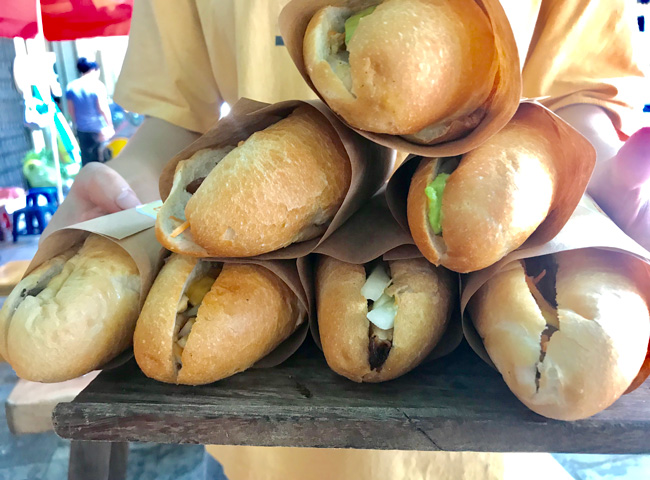
- Bánh mì (Vietnamese baguette)
Developed from the French baguette, bánh mì is made into a smaller airy loaf but crispier crush,sandwiched with home-cooked pate, grilled meat, pickled vegetables, topped with fresh cucumber and cilantro. It’s today referred to as “king of street food” in Vietnam.
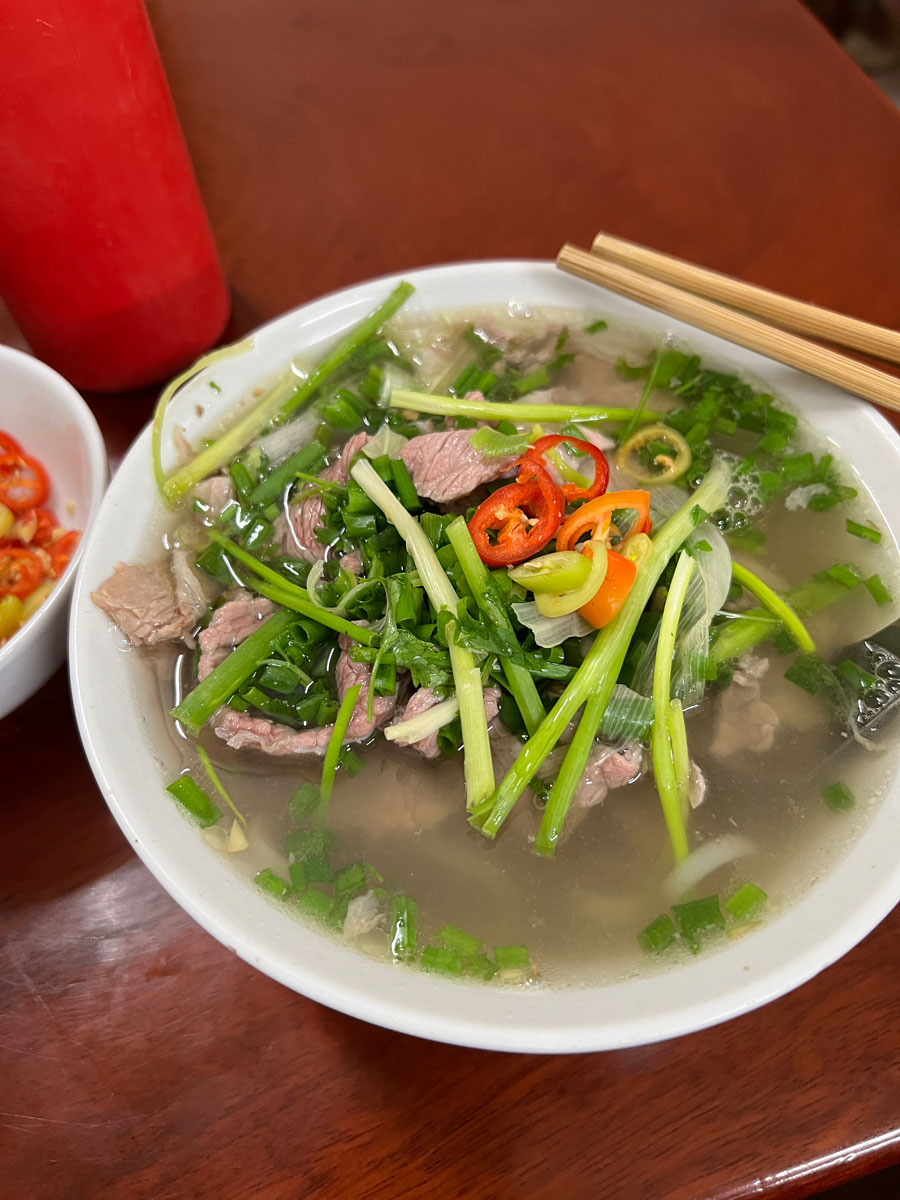
- Phở (Vietnamese noodle soup)
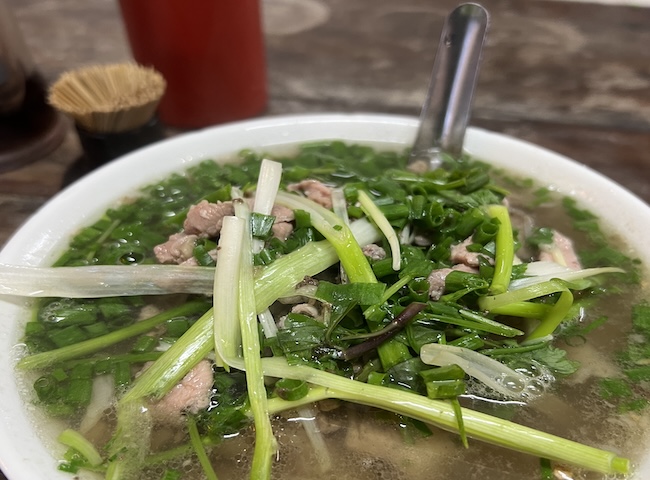
The word “phở” is believed to be a corruption of the French “feu”, and it’s an adaptation of the French dish – pot au feu. Phở bò is traditionaly a large bowl of hot beef stock with sliced beef and rice noodle, called beef phở. Chicken pho is the other version of phở, and it’s called phở gà. Phở is said to be Vietnam’s national dish.
- Café sữa đá (iced coffee with condensed milk)
Introduced by European missionaries and planted widely during the colonial era, the robusta coffee is today Vietnam’s main export product. The coffee is locally dripped through metal filter, pairs perfectly with sweetened condensed milk and became a massive part of the Vietnamese daily life.